
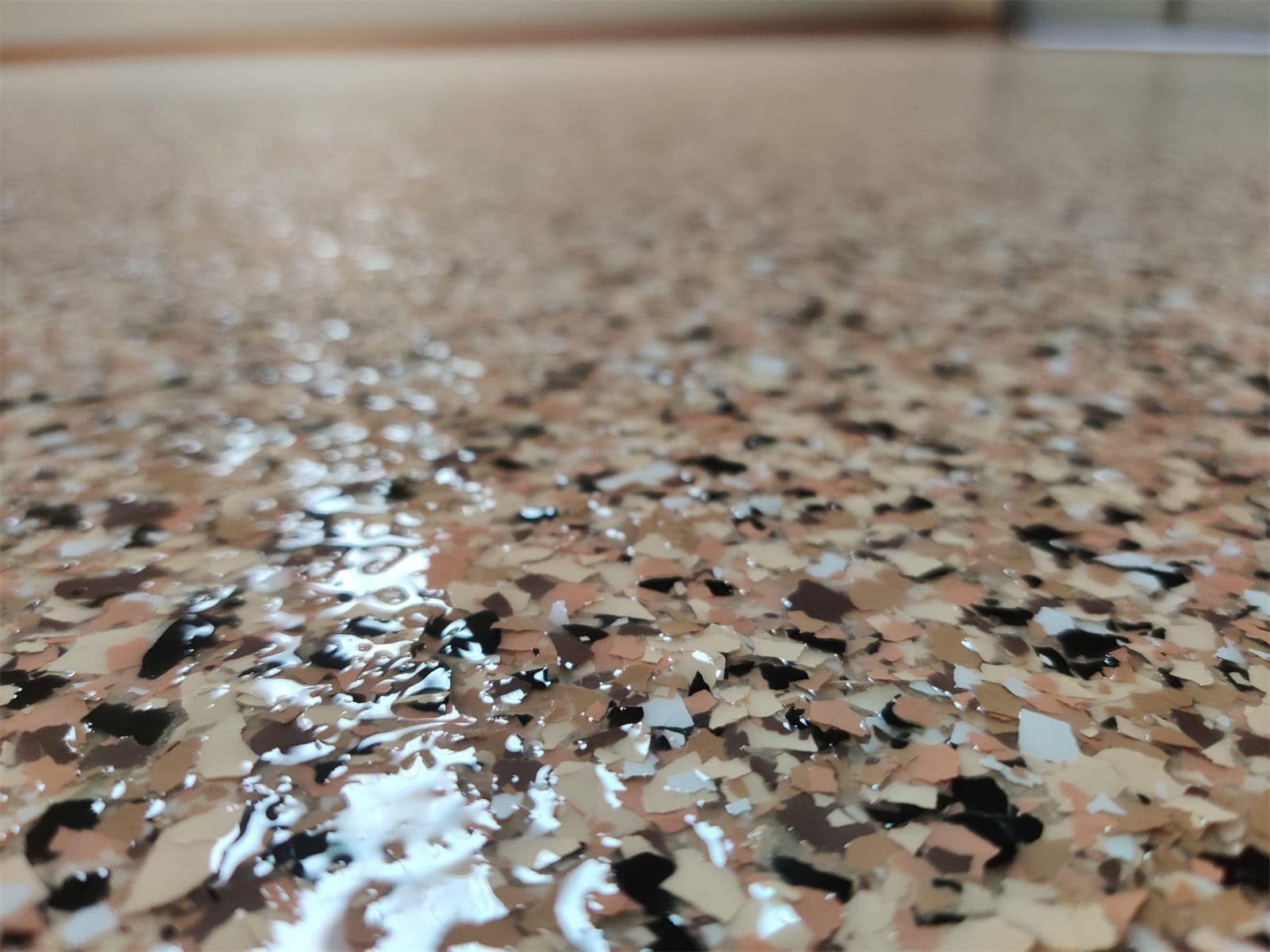
A polyaspartic garage floor coating cures in a matter of hours, but we still recommend staying off it until the next day for foot traffic, and waiting a full 48 hours before driving or parking a vehicle on it. That's still dramatically faster than standard epoxy, which often needs several days before it can handle any traffic at all.
Whether you're planning ahead for an upcoming install or you just had your garage floor coated and you're staring at your car in the driveway wondering when it's safe to pull back in, this is one of the most common questions we get. The short version: it depends on what you're doing — walking on it, setting up light storage, or parking a vehicle each have a different timeline.
Why Cure Time Matters
A polyaspartic coating goes through two stages: it becomes touch-dry and workable within hours, but it needs additional time to reach full hardness and chemical bond strength. Using the floor too early — especially rolling a heavy vehicle across it on hot tires — can leave marks, dents, or weak spots in the finish before it's had time to fully harden. Waiting the recommended time is what protects the investment you just made.
The Typical Timeline
- Same day: the coating firms up and is no longer wet to the touch within a matter of hours.
- Next day: the floor is generally ready for normal foot traffic — walking on it, setting light items down.
- 48 hours: the floor is ready for full vehicle weight, including parking and driving on it.
We'll always confirm the exact timing for your specific installation before we leave — factors like temperature and humidity on install day can shift things slightly, which is why we don't just hand you a generic printout and go.
How This Compares to Epoxy
This is one of the biggest practical differences between polyaspartic and standard epoxy. A basic epoxy kit often needs several days before it can handle any real traffic, let alone a vehicle. We cover the full comparison — cure time, UV stability, durability — in our epoxy vs. polyaspartic breakdown if you want the complete picture.
What Can Affect Cure Time
A few things can speed up or slow down how quickly your floor is ready:
- Temperature — coatings cure faster in warm conditions and slower in cold weather.
- Humidity — high humidity can extend cure time.
- Airflow — proper ventilation in the garage helps the coating cure evenly.
This is part of why we plan installs around the weather rather than working on a fixed schedule regardless of conditions — it's one of the small details that determines whether a floor holds up long-term.
A Few Tips for the First Week
- Avoid dragging heavy or sharp-edged items across the floor for the first several days.
- Hold off on harsh chemical cleaners until the coating has fully cured.
- If you're moving heavy shelving or equipment back in, wait until you've hit the full 48-hour mark.
Frequently Asked Questions
Can I walk on my garage floor the same day it's coated?
In most cases you can walk on it later the same day or by the next morning, once it's had several hours to firm up. We'll give you exact timing for your specific install before we leave.
What happens if I park on it too early?
Parking before the coating has fully cured can leave tire marks, dents, or cause the coating to not bond as strongly in that spot. It's a common and avoidable mistake, which is why we always walk you through exact timing before we leave the job.
Does humidity or cold weather affect cure time?
Yes. Temperature and humidity both affect how fast a polyaspartic coating cures. We plan installs around weather conditions and will let you know if your specific timeline needs adjusting.
How long until I can put shelving or heavy equipment back in the garage?
Once the floor has reached full cure (typically within 48 hours), it's ready for normal use, including moving heavy items back in. We'll confirm timing with you at the end of your install.